AETHEL
Conceptual Glassware Design
Design is more than a physical form; it is a reflection of the deep symbolic and ritualistic bonds that objects establish with their users. Every object we interact with in our daily lives—often without conscious thought—carries a cultural memory, a symbol of power, or a medium for sharing. This project aims to decode the functional and symbolic codes of ten seemingly ordinary objects and synthesize these abstract concepts into a single, holistic form.
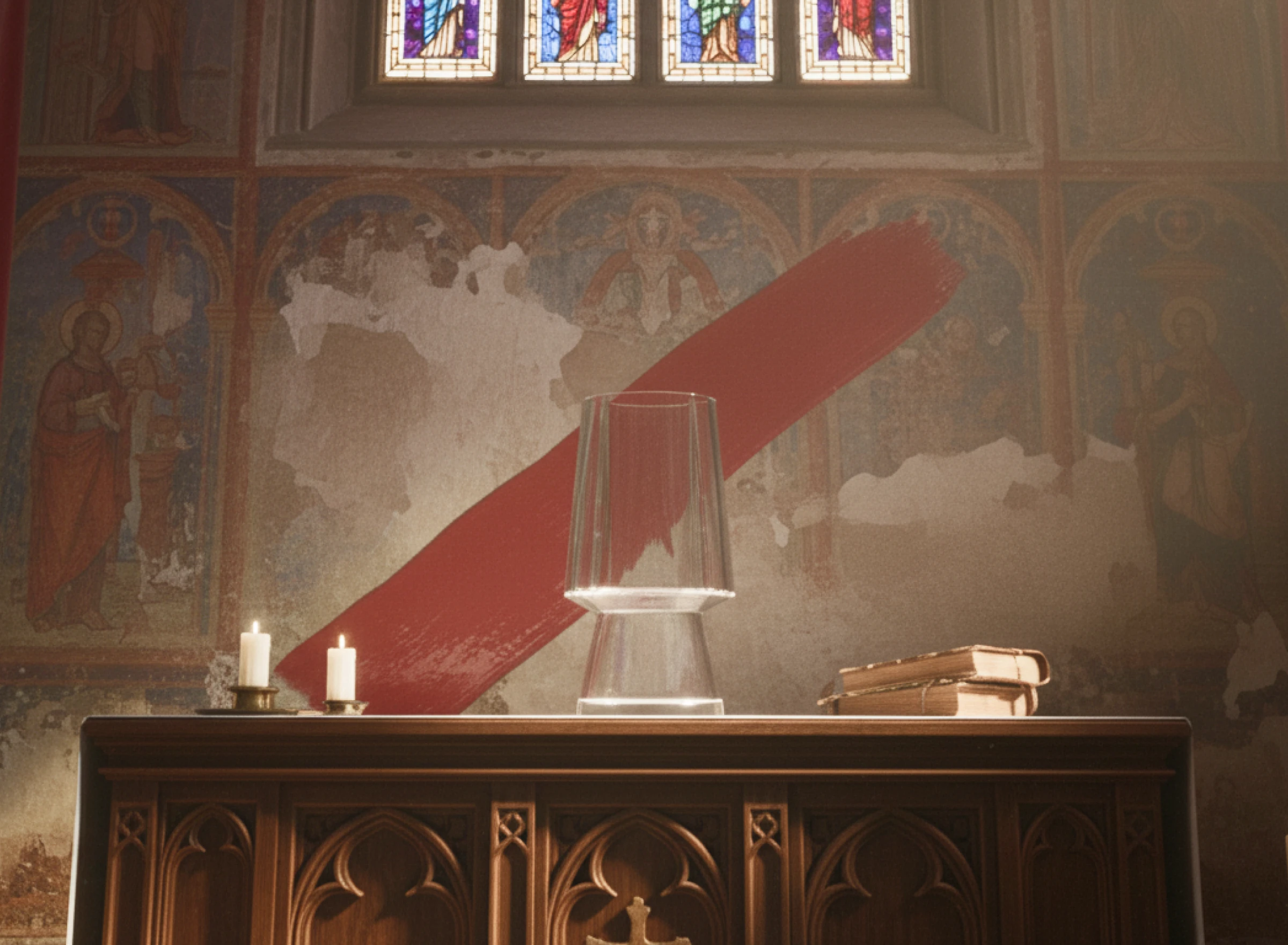
Aethel is a conceptual glassware design born from this exploration. By its very nature, a glass remains incomplete on its own; it attains its true purpose only when a ritual is shared and people gather. This conceptual journey—ranging from the unshakeable power of a truck tire to the rhythmic texture of a comb, and from the voice-amplifying authority of a microphone to the socializing ritual of a kettle—redefines the essence of glass through an authoritative and dynamic lens.
Conceptual Synthesis & Product Design
Functional Analysis
Concept Development
Sketching
CAD Modeling
01PROCESS
Go to result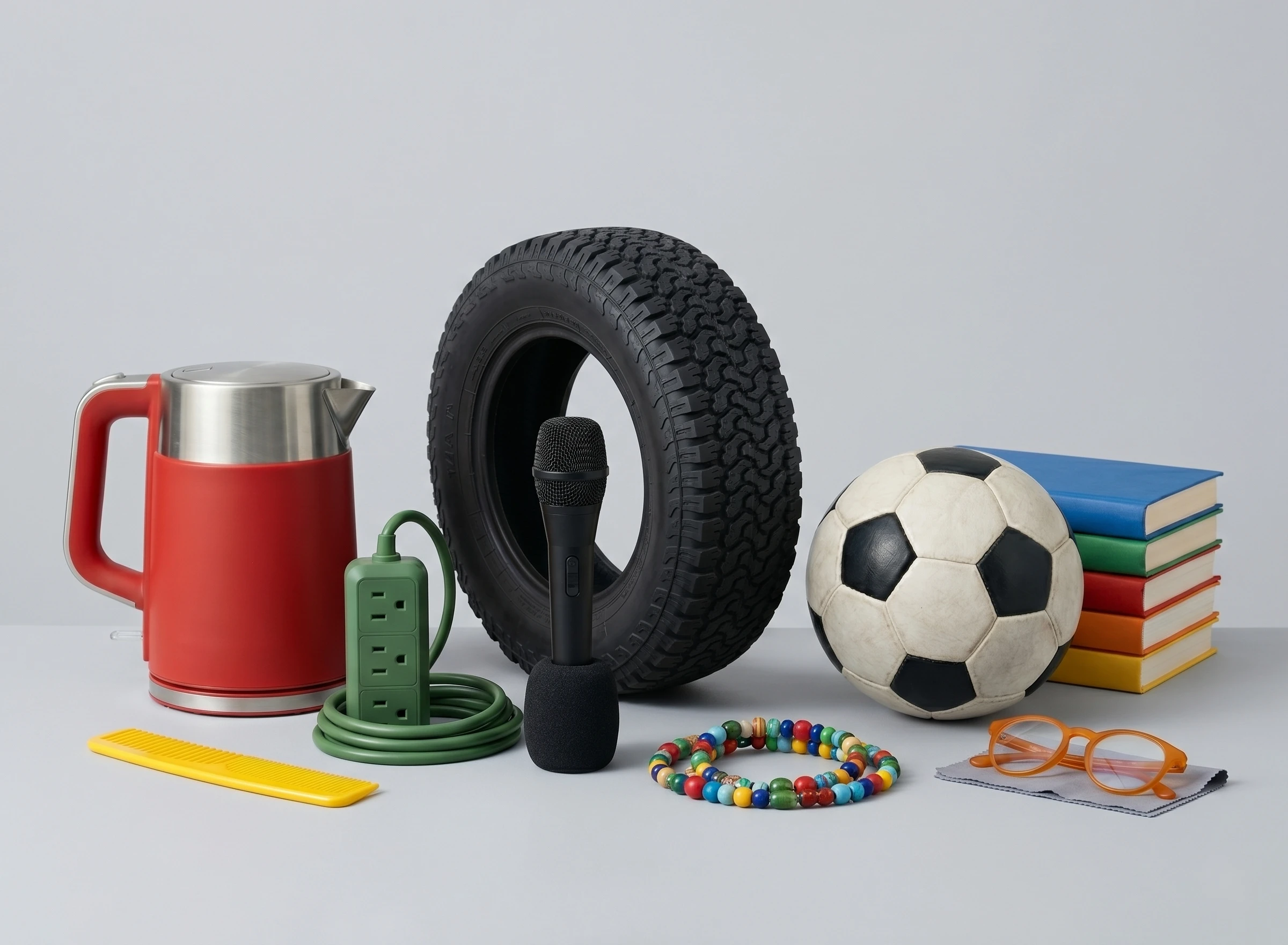
Background
This project aimed to explore ten ordinary everyday objects such as microphones, combs, and truck wheels by analyzing their utilitarian, aesthetic, and symbolic functions. By synthesizing the abstract concepts extracted from this study, these insights were transformed into a new product design.
Conceptual Mapping
I deciphered not only the utilitarian functions of ordinary objects but also the invisible symbolic bonds they establish with the user. By analyzing ten seemingly unrelated everyday objects, I identified their abstract intersection points:
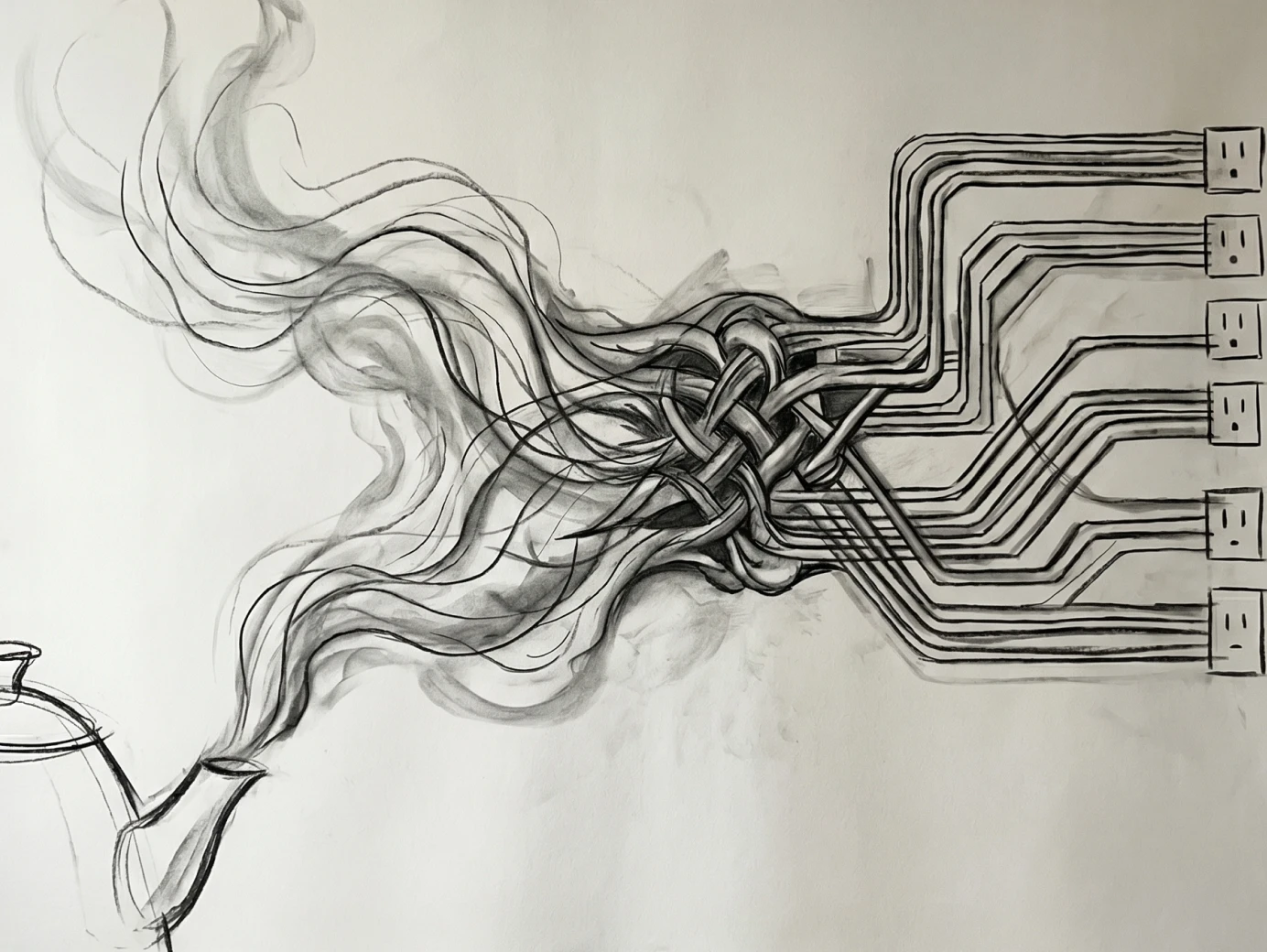
Sharing & Ritual
I synthesized the common gathering power found in a power strip distributing energy, a kettle fostering socialization around coffee, and a microphone uniting crowds.

Power & Authority
I merged the physical load-bearing resilience of a truck tire with the social status conveyed by a necklace into a unified concept of power.
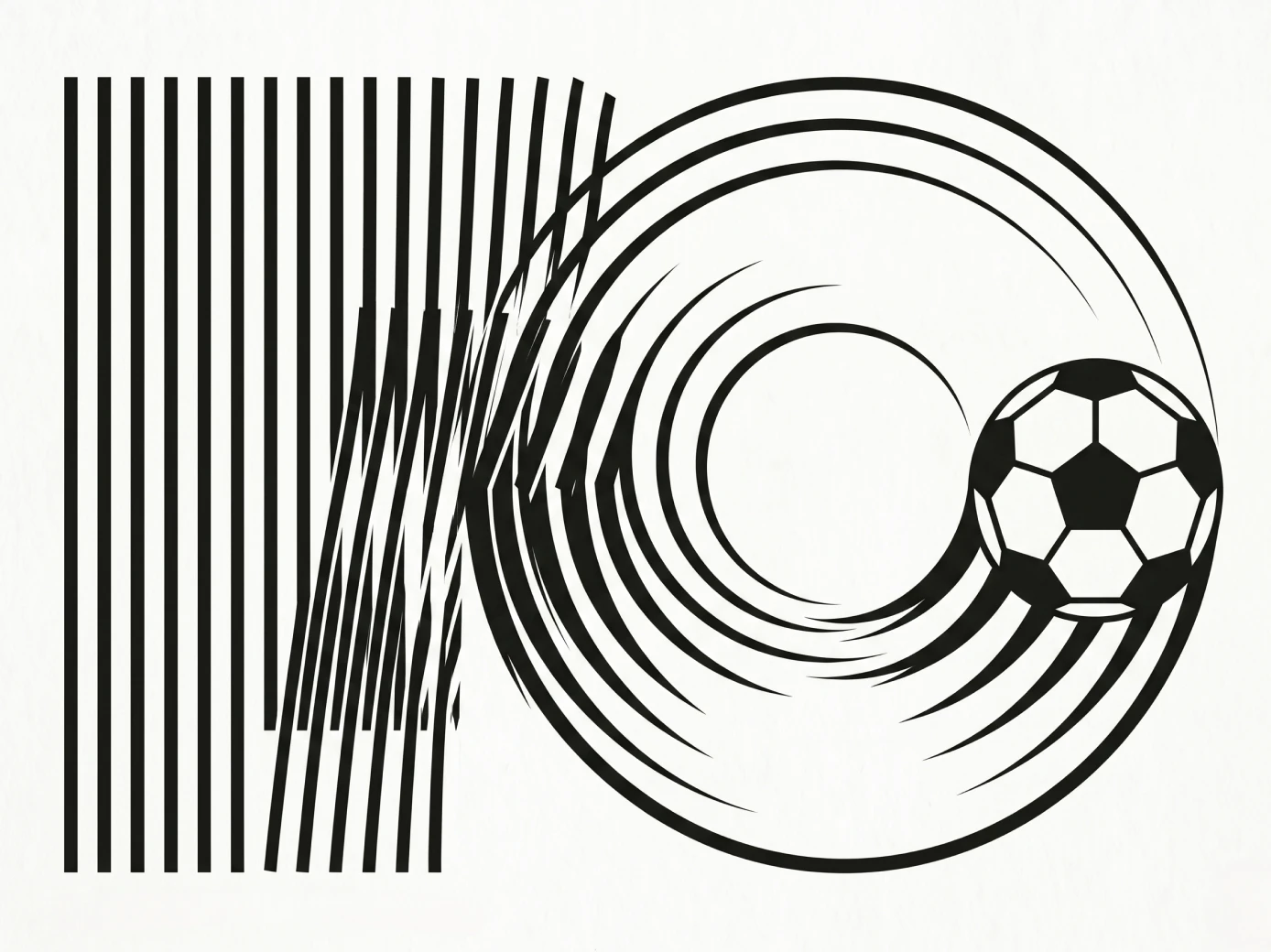
Rhythm
I extracted a dynamic concept of rhythm from the aesthetic repetition of a comb's teeth and the mobility of a football.
Synthesis: Why a Wine Glass?
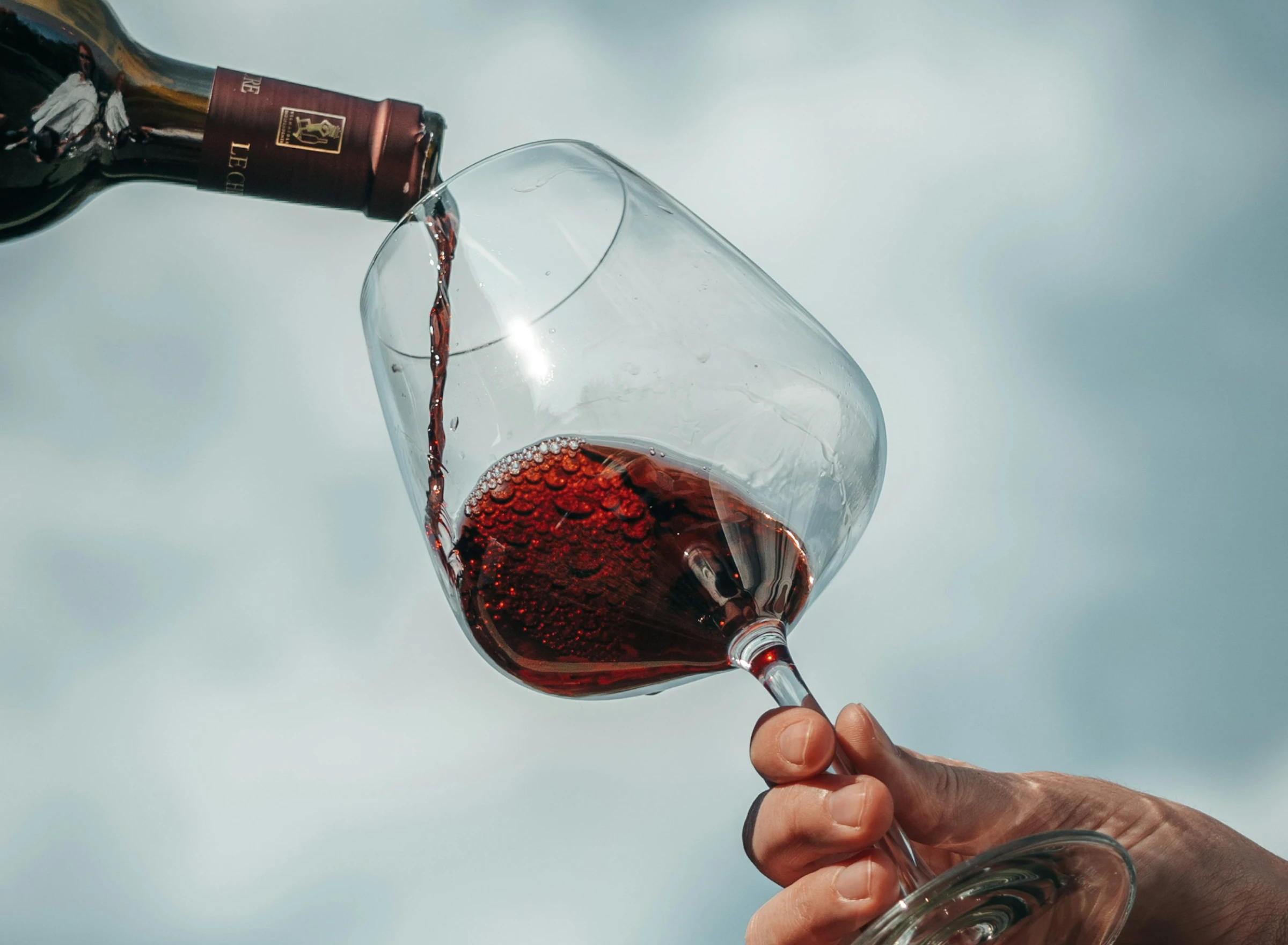
I concluded that a wine glass is the most suitable object to translate these three powerful core concepts (Sharing, Power, Rhythm) into the physical world. A glass inherently lacks meaning on its own as it requires a ritual; through its form, it establishes an unshakeable authority on the table, and through its design language, it reflects a continuous rhythm.
Form Exploration
The conventional "delicate and fragile" nature of wine glasses was intentionally rejected. To embody the targeted concepts of "Power and Authority" in the product:
• Instead of slender stems, thick, sculptural bases that stand firmly on the ground were experimented with.
• Instead of soft curves, angular and geometric forms inspired by diamond cuts were explored.
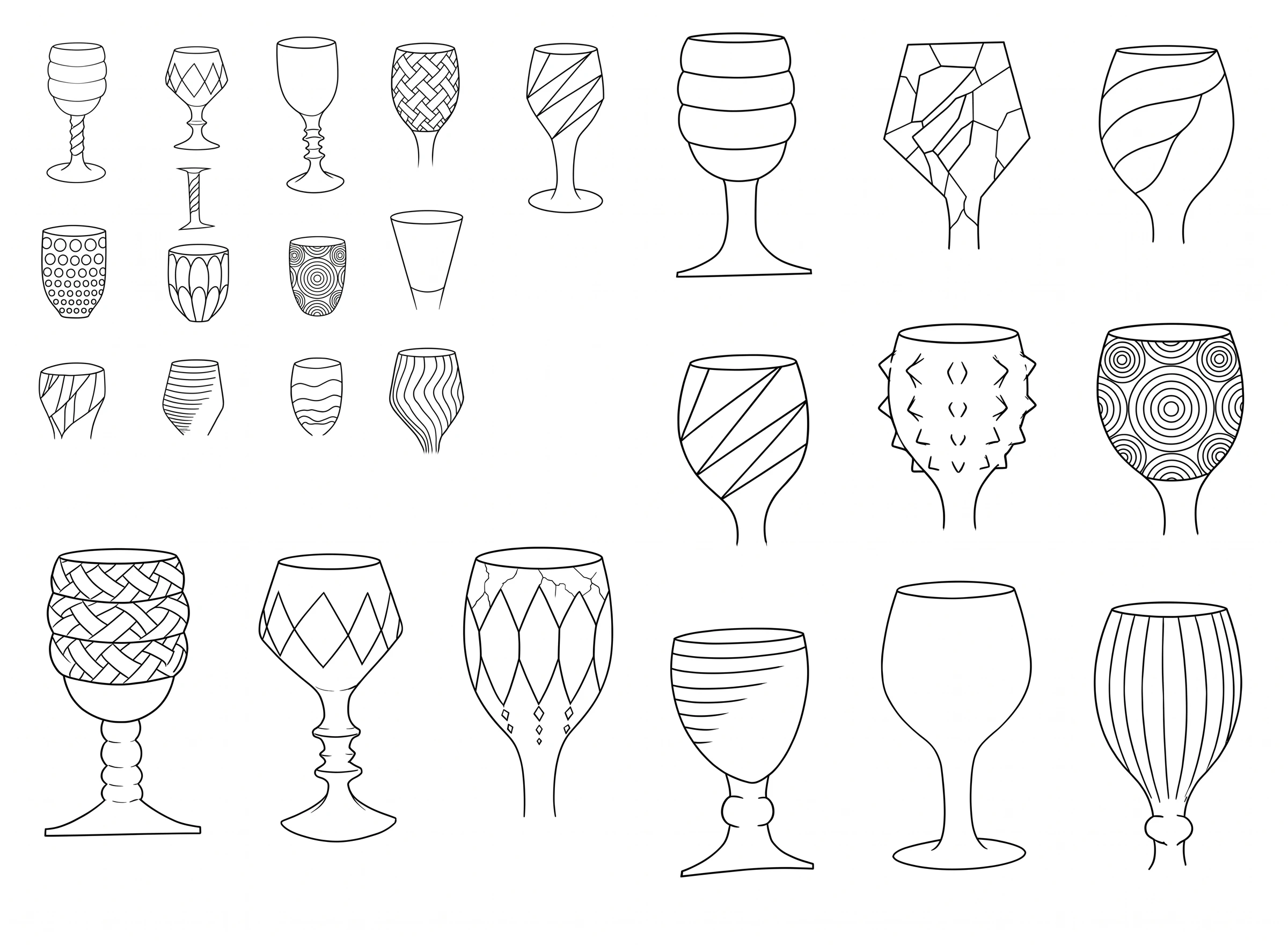
Form Validation and Pattern
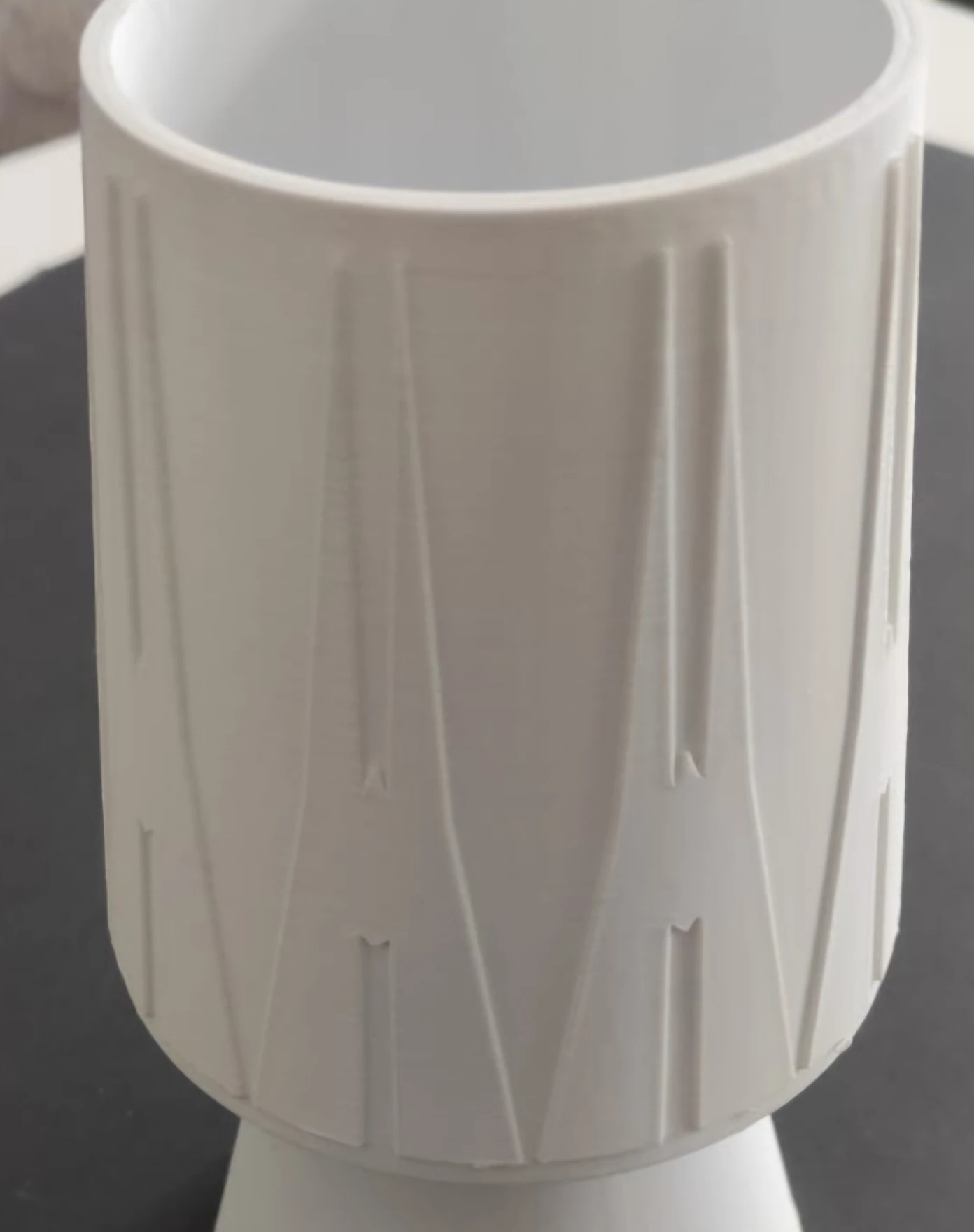
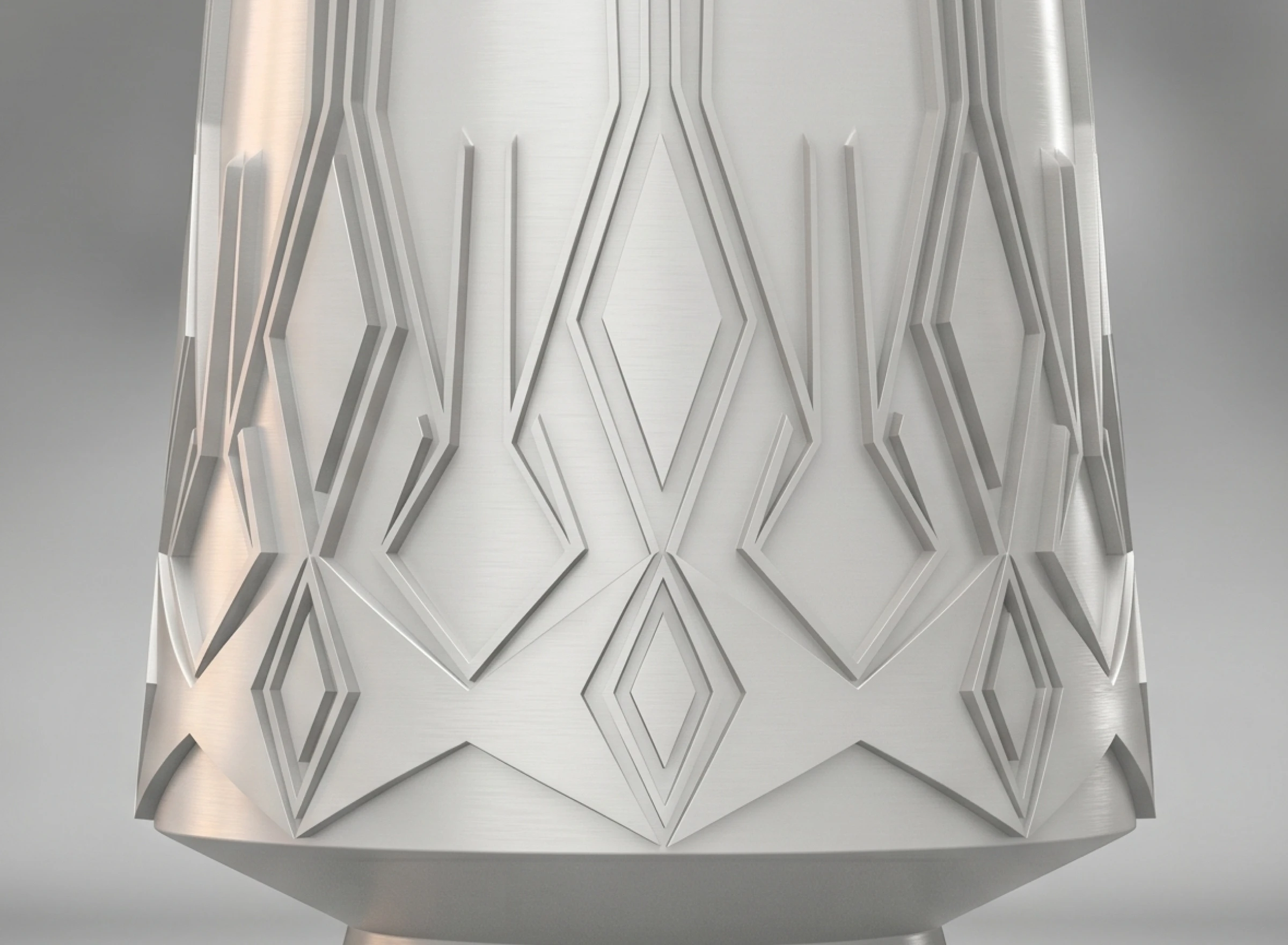
Following rigorous volumetric testing in CAD, an unwavering, resolute form emerged. The story behind the geometric pattern applied to the glass:
• The dense structure at the bottom represents deep-rooted power and resilience.
• As the diamond facets taper upward, they illustrate this heavy authority ascending and translating into a rhythmic energy.
02RESULT
Go back to processForm of Authority
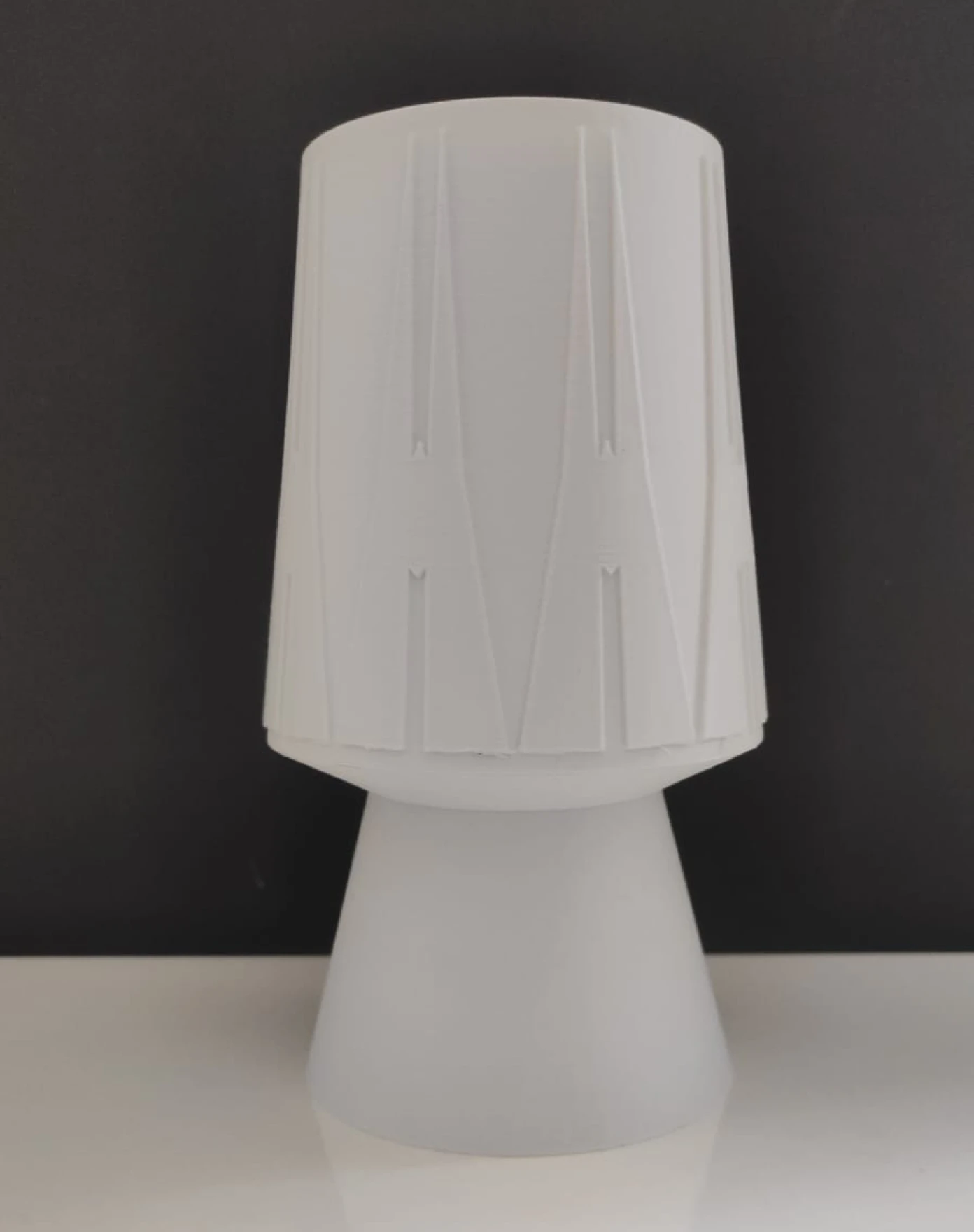
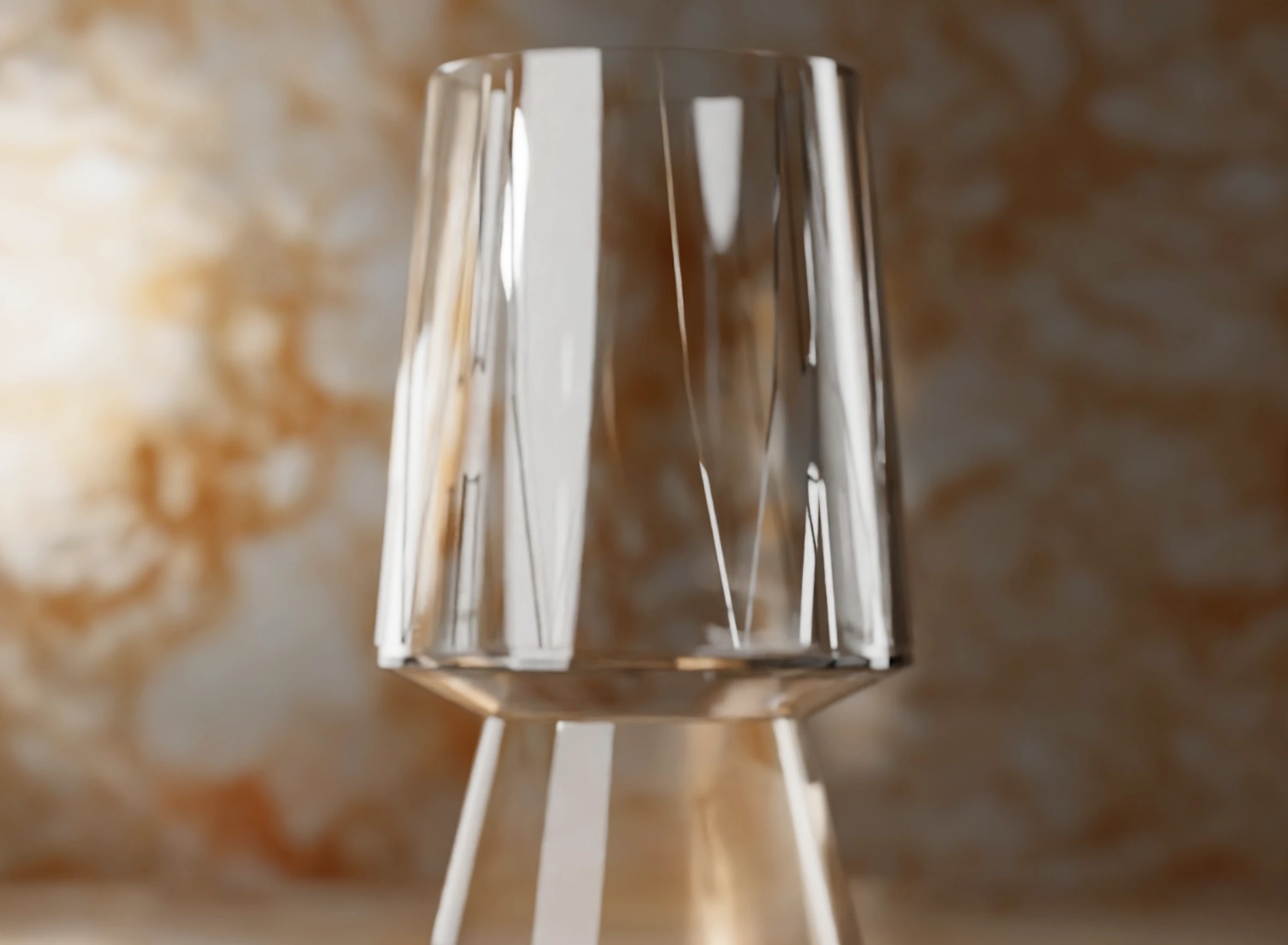
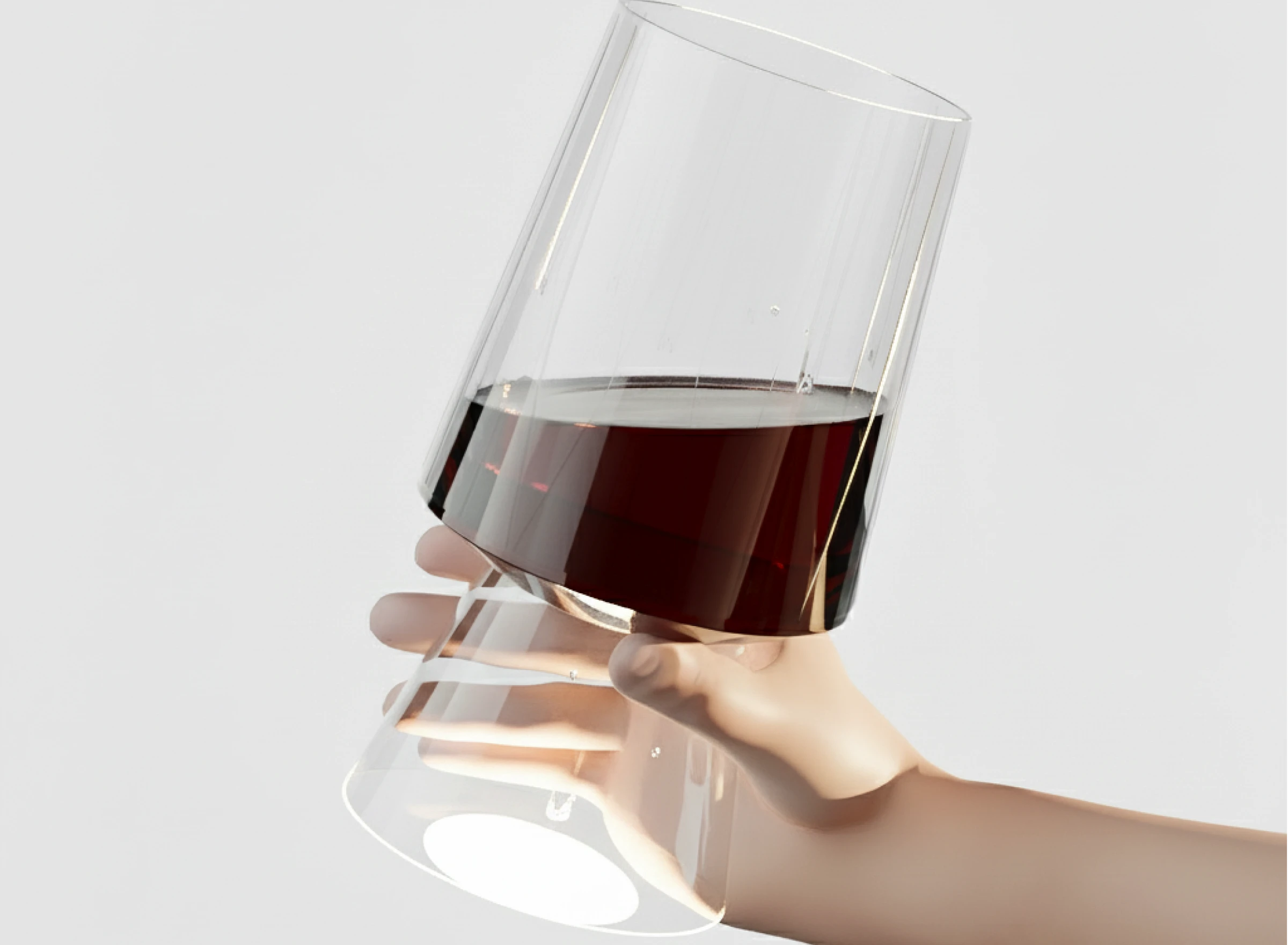
The traditional fragility and delicate structure of the wine glass give way to an unshakeable stance in this design. Standing 180mm tall with a thickened 50mm stem, this sculptural form brings the concepts of "Power and Authority" to the center of the table. The glass provides the user with a physical sense of weight and confidence the moment it is held.
Material & Light
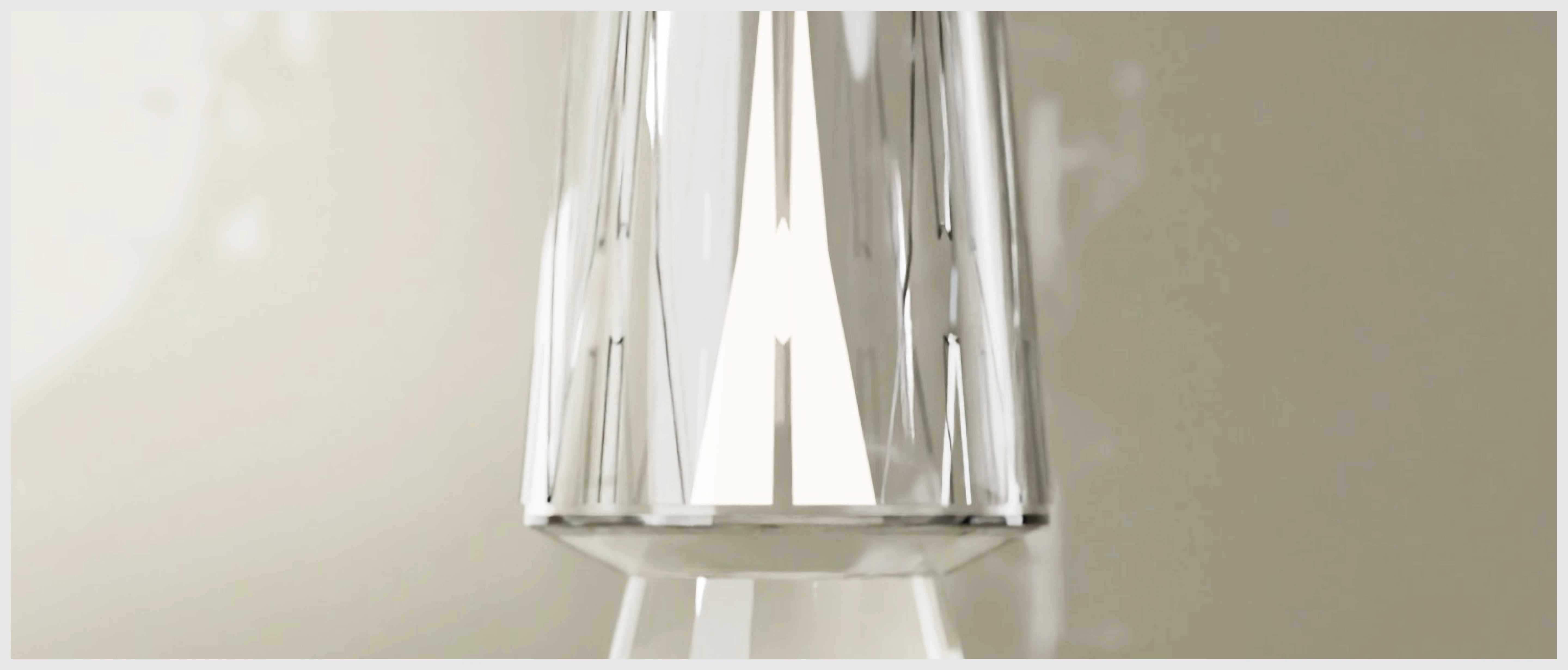
The transition from solid volume exploration to transparent glass completes the product's ultimate purpose: the "Ritual of Sharing." Transparency allows the glass to integrate with the color of the liquid inside, while the rhythmic patterns refract the ambient light, illuminating the moment of the ritual.
Crafting the Prototype
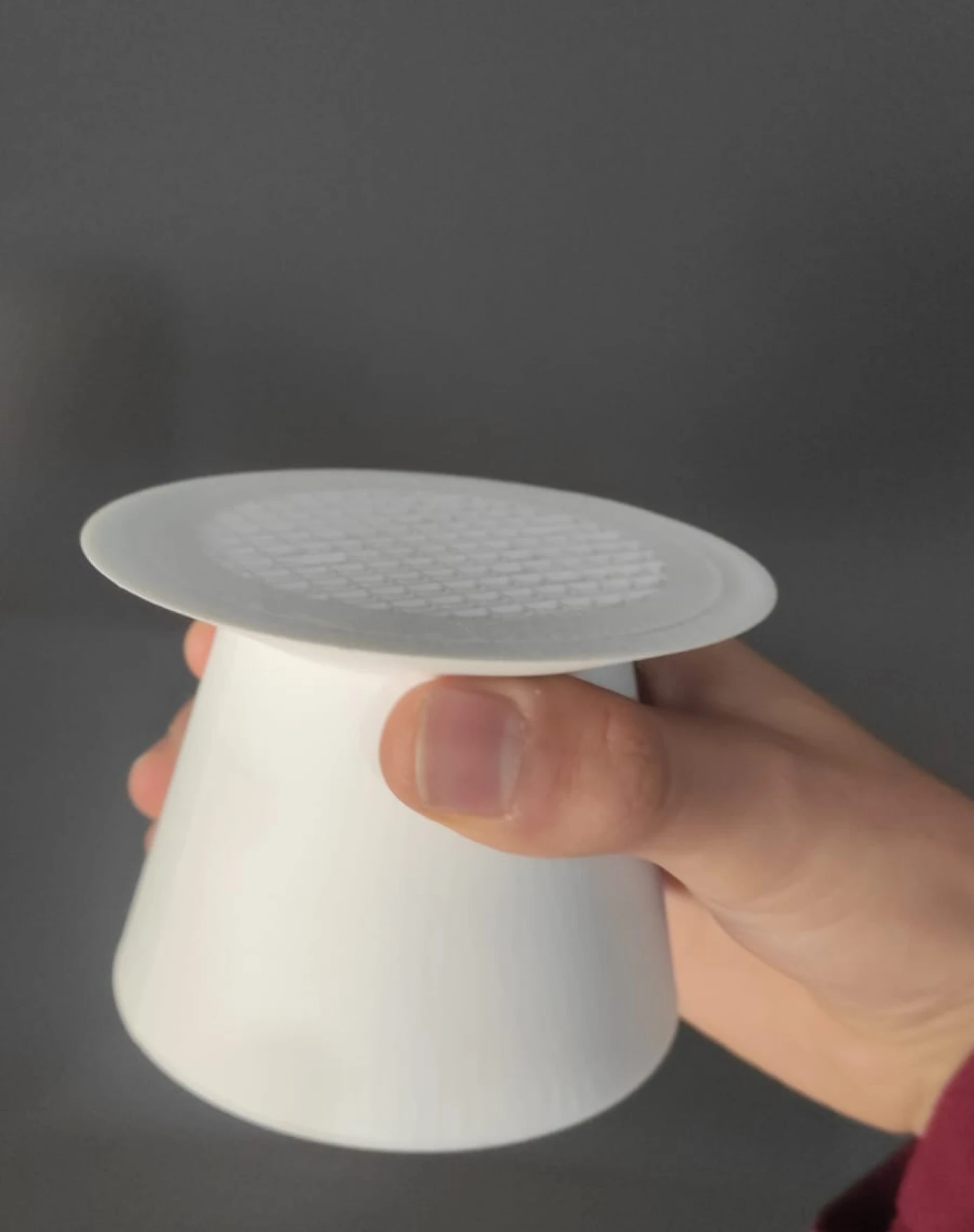
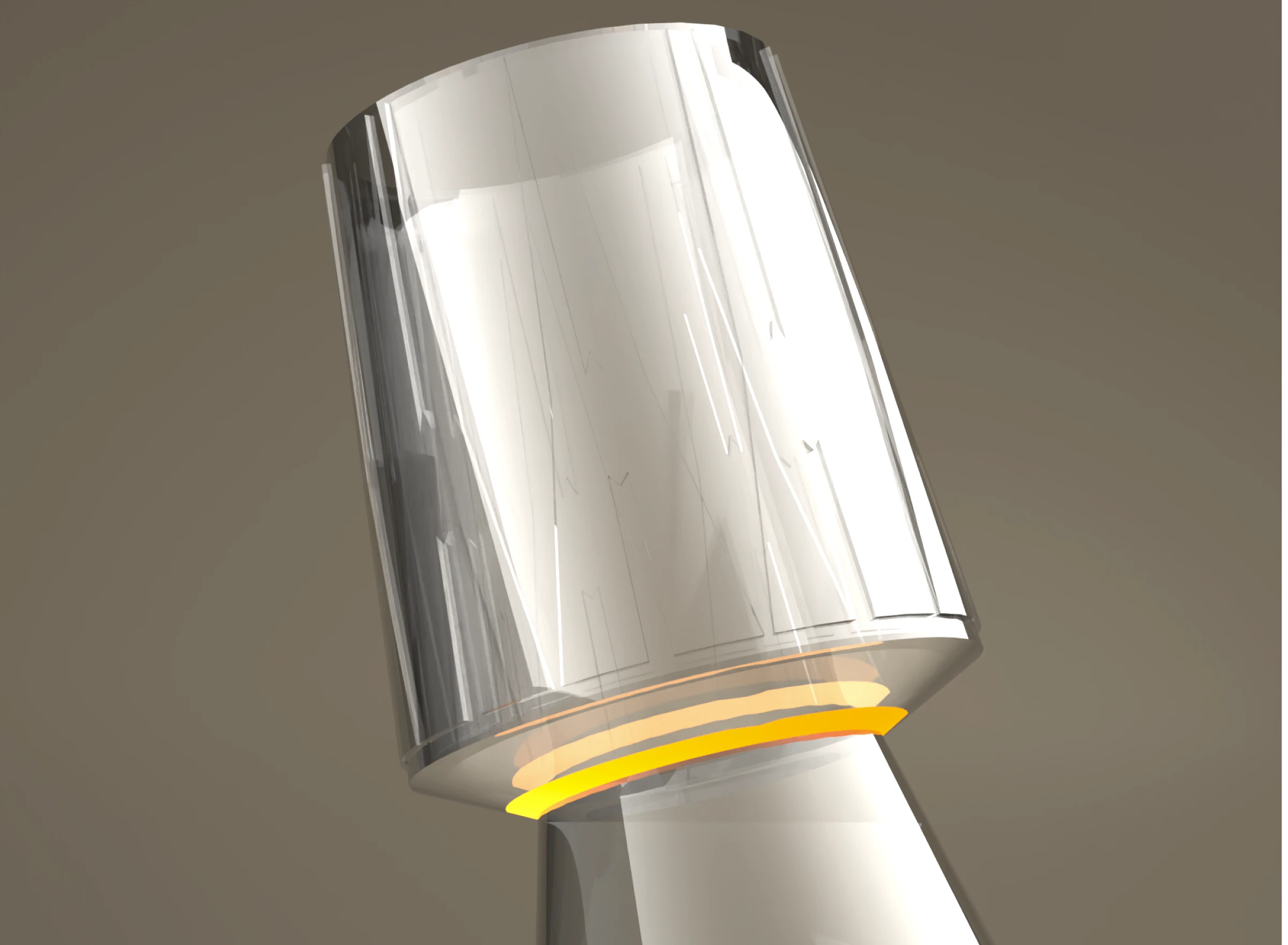
1:1 scale solid prototypes were produced to test how the sculptural form feels in hand and to validate the grip ergonomics of the diamond-cut patterns. These physical trials allowed me to balance the center of gravity and confirm the targeted "unshakeable" stance of the glass.